Mentoring of key personnel as part of Training Efforts
The operational stability and regulatory compliance of therapeutic goods manufacturers, biotechnology firms, and analytical testing laboratories depend heavily on the technical competency of their key personnel. Within the strict framework enforced by the Therapeutic Goods Administration (TGA) and international bodies like the Pharmaceutical Inspection Co-operation Scheme (PIC/S), a quality management system is only as robust as the individuals authorized to manage it. Standard classroom training models often fail to bridge the gap between high-level regulatory text and daily facility operations. To achieve complete compliance and maintain long-term in-house technical capacity, structured mentoring programs must be integrated directly into specialized training courses.
Mentoring key personnel—such as Production Managers, Quality Assurance Managers, and Authorized Persons—requires a data-driven, scientific approach to skill development. It goes far beyond simply reviewing standard operating procedures or passing written tests. A comprehensive mentoring framework focuses on developing analytical problem-solving skills, deep engineering insights, and the leadership capacity needed to make high-stakes regulatory decisions with complete confidence. By embedding customized mentoring directly into GxP training courses, organizations accelerate the development of their technical leadership teams and build an internal culture of sustainable compliance.
Accelerating Technical Maturity in Regulatory Roles
Key personnel in the life sciences sector hold unique statutory responsibilities that heavily impact both patient safety and commercial viability. An Authorized Person or Quality Assurance Manager must routinely evaluate complex manufacturing data, review validation protocols, and sign off on batch release document sets. When these professionals are thrust into their roles without targeted technical support, companies face an increased risk of batch release bottlenecks, incomplete technical files, and severe audit findings.
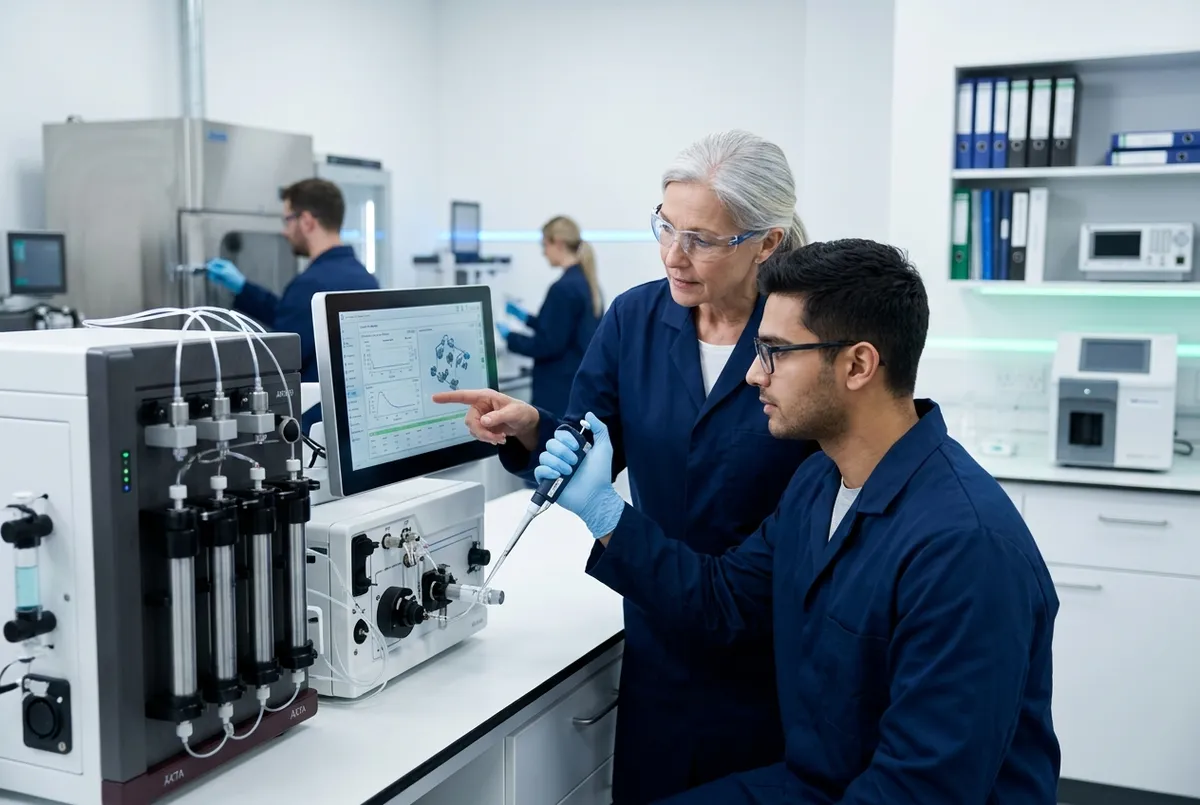
Integrating structured mentorship into technical training courses addresses this challenge by providing direct, one-on-one access to senior compliance architects. This relationship allows for the tailored review of complex case studies, deep-dive simulations of manufacturing deviations, and realistic mock audit interviews. Mentors work with personnel to analyze real facility data, breaking down complex regulatory expectations into repeatable, site-specific workflows. This process rapidly advances a professional's technical maturity, transforming a baseline understanding of regulatory standards into deep operational expertise.
Embedding Root Cause Analysis and Decision-Making Frameworks
A critical skill required of any senior life sciences professional is the ability to conduct rigorous, scientifically sound investigations into process deviations, out-of-specification (OOS) analytical laboratory results, and environmental monitoring excursions. Regulatory investigators place immense scrutiny on a company's deviation files. Superficial investigations that quickly point to operator error as the root cause are primary indicators of a weak quality culture and frequently trigger critical regulatory citations.
Through the specialized courses delivered by QSN Academy, mentoring focuses heavily on mastering disciplined Root Cause Analysis (RCA) methodologies. Key personnel are mentored in the practical application of advanced analytical tools, including Failure Mode and Effects Analysis (FMEA), fault tree analysis, and fishbone diagrams. Mentors guide personnel through the complex variables of actual process investigations—such as raw material variability, equipment calibration drift, and environmental fluctuations—ensuring that investigations look past surface-level symptoms to isolate systemic engineering flaws. Once the true root cause is isolated, personnel learn to formulate, implement, and statistically verify targeted Corrective and Preventive Actions (CAPA). This hands-on guidance ensures the internal workforce learns to handle deviations with complete scientific objectivity.
Advanced Data Integrity and System Validation Oversight
Modern manufacturing and laboratory environments depend entirely on computerized systems, automated data capture, and electronic records systems. Ensuring strict compliance with data integrity mandates requires advanced technical knowledge of software validation and systems engineering principles. Key personnel must be fully capable of evaluating computerized systems validation (CSV) packages and verifying that facility systems adhere strictly to the foundational ALCOA+ principles.
Mentorship programs integrate these complex engineering standards directly into training coursework. Key individuals receive targeted instruction on authoring comprehensive User Requirement Specifications (URS), defining critical data paths, and executing installation, operational, and performance qualification protocols (IQ/OQ/PQ) for automated instrumentation and enterprise software packages. Mentors work alongside personnel to evaluate data lifecycles, configure secure audit trail review protocols, and establish robust user access controls. This continuous reinforcement ensures that the facility's data remains accurate, attributable, and completely auditable, providing a solid layer of protection against the data gaps frequently targeted during inspections.
Cultivating Complete In-House Independence
The long-term commercial success of any therapeutic goods manufacturer, testing laboratory, or biotechnology company relies on its ability to sustain regulatory compliance independently. A truly effective training arm must design pathways that render continuous external reliance obsolete. The primary goal of specialized education and mentorship is to act as a powerful catalyst for workforce transformation, upskilling the existing team until complete regulatory and technical fluency is fully internalized.
By combining structured technical training with intensive, personalized mentorship, QSN Academy ensures that vital scientific and regulatory knowledge is permanently embedded within the client's internal organization. As key personnel gain full technical confidence and mastery over cGMP expectations and validation methodologies, absolute ownership of the quality management system shifts seamlessly back inside the company. This strategic evolution ensures that organizations retain native control over their compliance destiny, pass TGA audits with total confidence, and protect patient safety while scaling securely in the global marketplace.
